





I keep hitting the buy button on Meta Platforms (NASDAQ:META | META Price Prediction), and the louder the market panics about the company’s $125 billion to $145 billion capital expenditure plan, the more shares I add. The stock sits at $593.48, down 9.94% year to date and 12.75% over the past year. To me, that is a sale tag on the most profitable advertising business ever assembled.
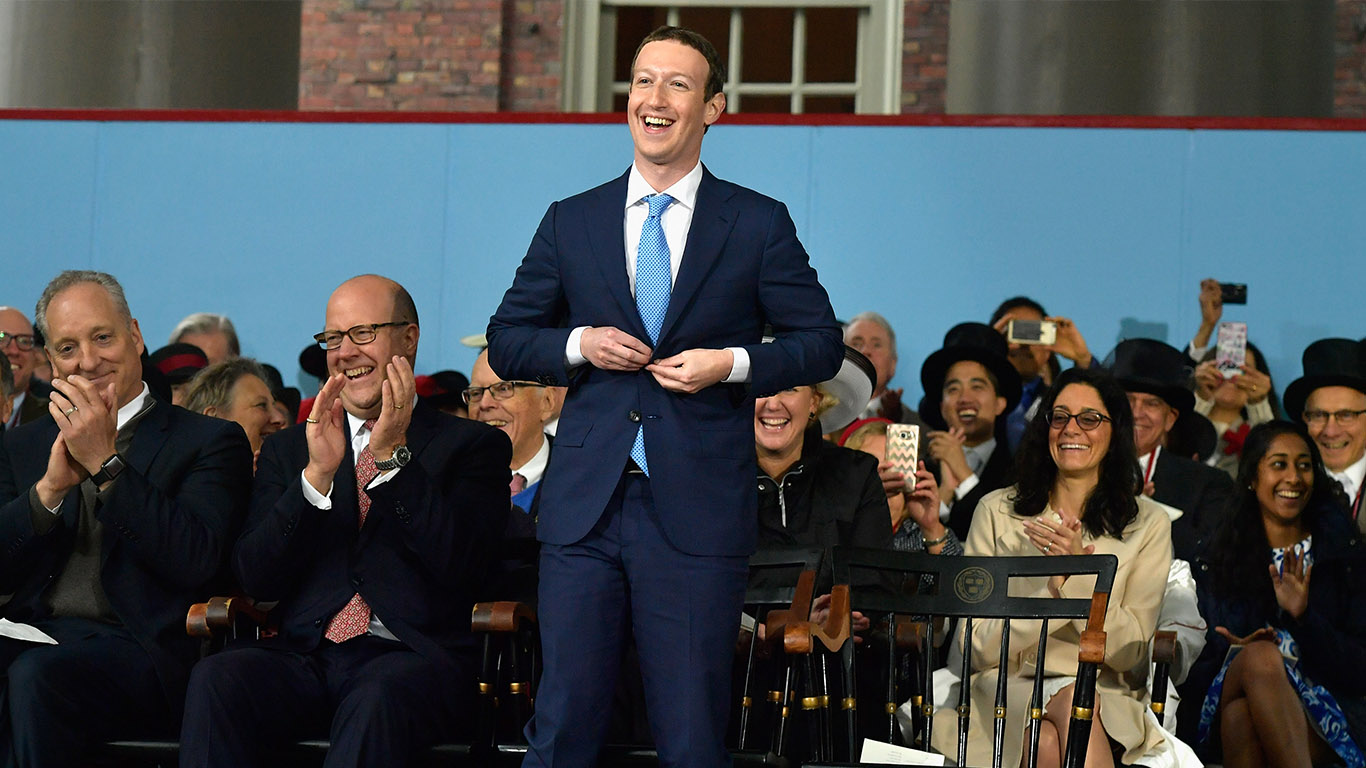
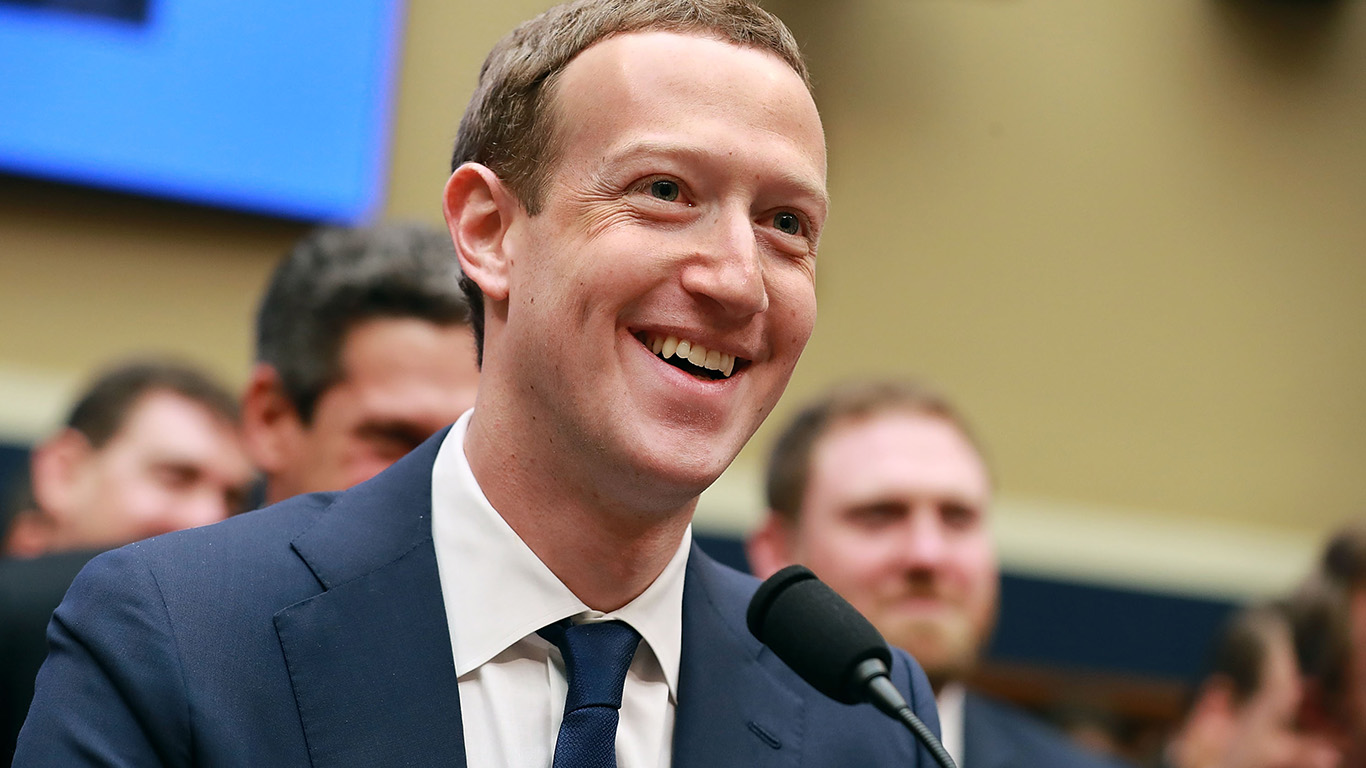
The thesis is simple. Mark Zuckerberg is reallocating capital away from human overhead and into compute infrastructure that compounds. He is directing resources into high-yield compute infrastructure that compounds returns. That changes the unit economics of every ad served to 3.56 billion daily users across Facebook, Instagram, WhatsApp, Messenger, and Threads.
The Receipts
First, the cash machine is healthy under the hood. In fiscal 2025, Meta generated $115.8 billion in operating cash flow and still produced $46.1 billion in free cash flow after spending $69.7 billion on capital expenditures. The company self-funded the entire AI buildout from operations and returned $31.6 billion to shareholders through dividends and buybacks in the same year. No debt raise required.
Second, the engine is accelerating. Q1 2026 revenue came in at $56.3 billion, up 33.08% year over year, with EPS of $10.44 against a $6.6587 estimate. That was the fifth consecutive EPS beat. Ad impressions rose 19% while average price per ad climbed 12%. Volume and pricing are expanding together, which only happens when a platform owns its customers. The Q1 operating margin held at 41%.
Third, I am paying a fair multiple for that quality. Meta trades at a P/E of 21 with a forward P/E of 18, a PEG of 0.819, return on equity of 32.9%, and an operating margin of 40.6%. Analyst consensus price target sits at $827.32, with 49 Buy and 8 Strong Buy ratings against zero Sell calls. That is a quality compounder valued like a value stock.
The Honest Risk
Reality Labs lost $19.2 billion in 2025 and another $4.03 billion in Q1 2026. Capex guidance climbing to $125 to $145 billion stacks depreciation pressure on top of that. Add youth-related litigation with trials scheduled in 2026 and EU advertising rules, and there are real ways this thesis takes damage. What keeps me buying is that the core ad business is funding all of it while still throwing off tens of billions in free cash, and CFO Susan Li was explicit that 2026 operating income will land above 2025.
Why The Buy Button Stays Active
Zuckerberg told investors “Spark is just one step on that scaling ladder, and we are already training even more advanced models.” I believe him because the cash flow statement believes him. The advertising monopoly funds the AI buildout, the AI buildout sharpens the ad targeting, and 3.56 billion people show up every day to feed both flywheels.
So long as the ad engine keeps printing and Zuckerberg keeps converting operating cash into compute, my finger stays on the buy button.







 Top Gaining Stocks
 Top Losing Stocks