




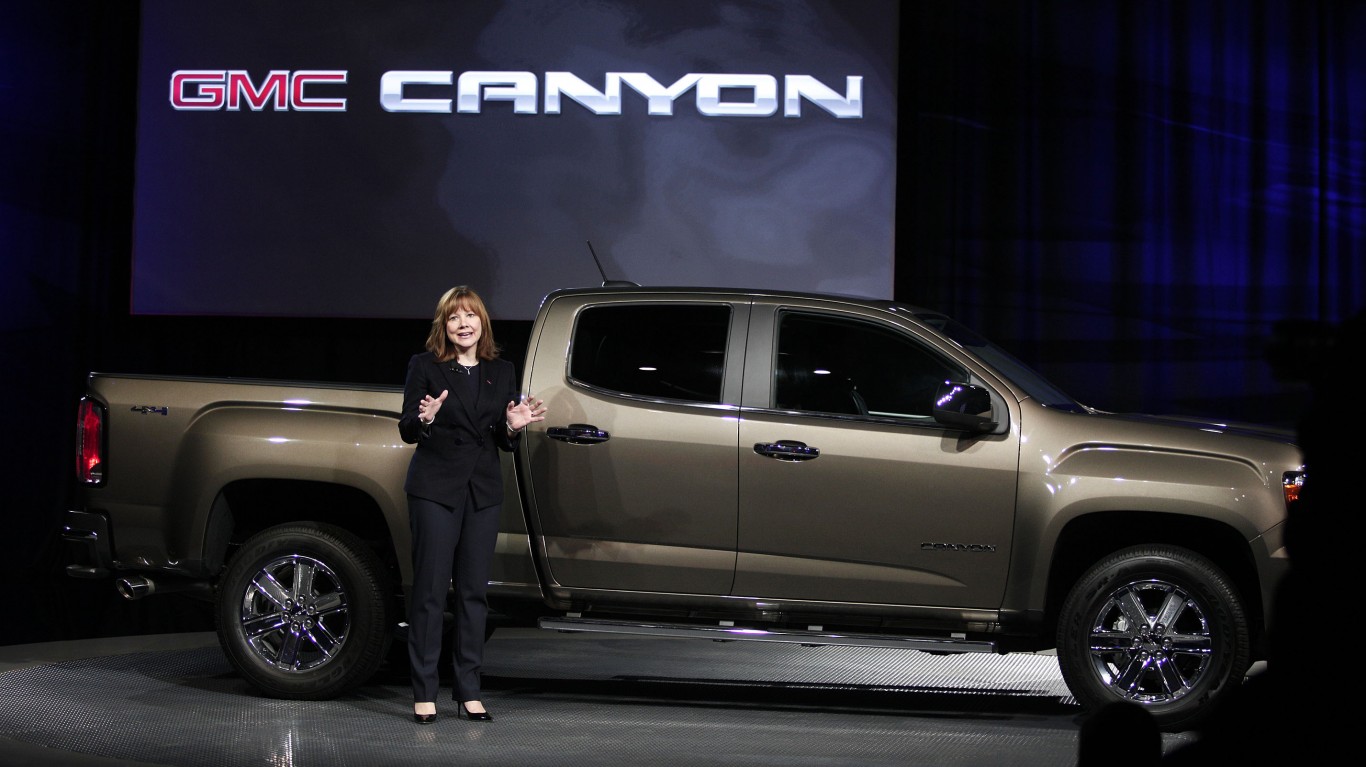
CEO Mary Barra dropped a number on General Motors (NYSE:GM | GM Price Prediction) Q1 2026 earnings call that should make every investor in the autonomous vehicle race pay attention. “Today, nearly 90% of the code written by our autonomy team is generated by AI,” the CEO said. She framed it as proof of “how seriously we’re embracing AI across the enterprise.” This is safety-critical software being machine-written at scale.
The 90% applies to GM’s autonomy team specifically, not all of GM’s code base. It powers the next-generation eyes-off, hands-off Super Cruise system targeted to launch on the Cadillac Escalade IQ in 2028. This is pre-launch code, not yet in customer cars. The validation regime is what investors should focus on.
GM’s answer to the “can you trust AI-written autonomy code” question is volume-based testing. Barra told analysts the company is stress testing in a digital environment capable of simulating roughly 100 years of human driving every single day. Supervised on-road testing is underway in California and Michigan.
The leading indicator is Super Cruise. Customers have logged 1 billion hands-free miles, and the product is on pace to exceed 850,000 subscribers by year-end, with renewal trends in the 30% to 40% range. CFO Paul Jacobson said attachment rates after the free trial sit near 40%, calling himself “very optimistic” about the conversion math.
The Financials Back the Bet
GM has the cash flow to fund aggressive AI tooling investment. Q1 adjusted EPS came in at $3.70 versus the $2.6393 estimate, a 40% beat, the fourth consecutive quarter beating Wall Street EPS forecasts. EBIT-adjusted hit $4.25 billion, up 22% year over year, with margin expanding 2 percentage points to 10%. Management raised full-year adjusted EPS guidance to $11.50 to $13.50.
Digital services show the same strength. OnStar revenue topped $750 million in Q1, up more than 20% year over year, with calendar-year revenue expected to reach $3.1 billion and deferred revenue approaching $7.5 billion.
The Industry Context Cuts Both Ways
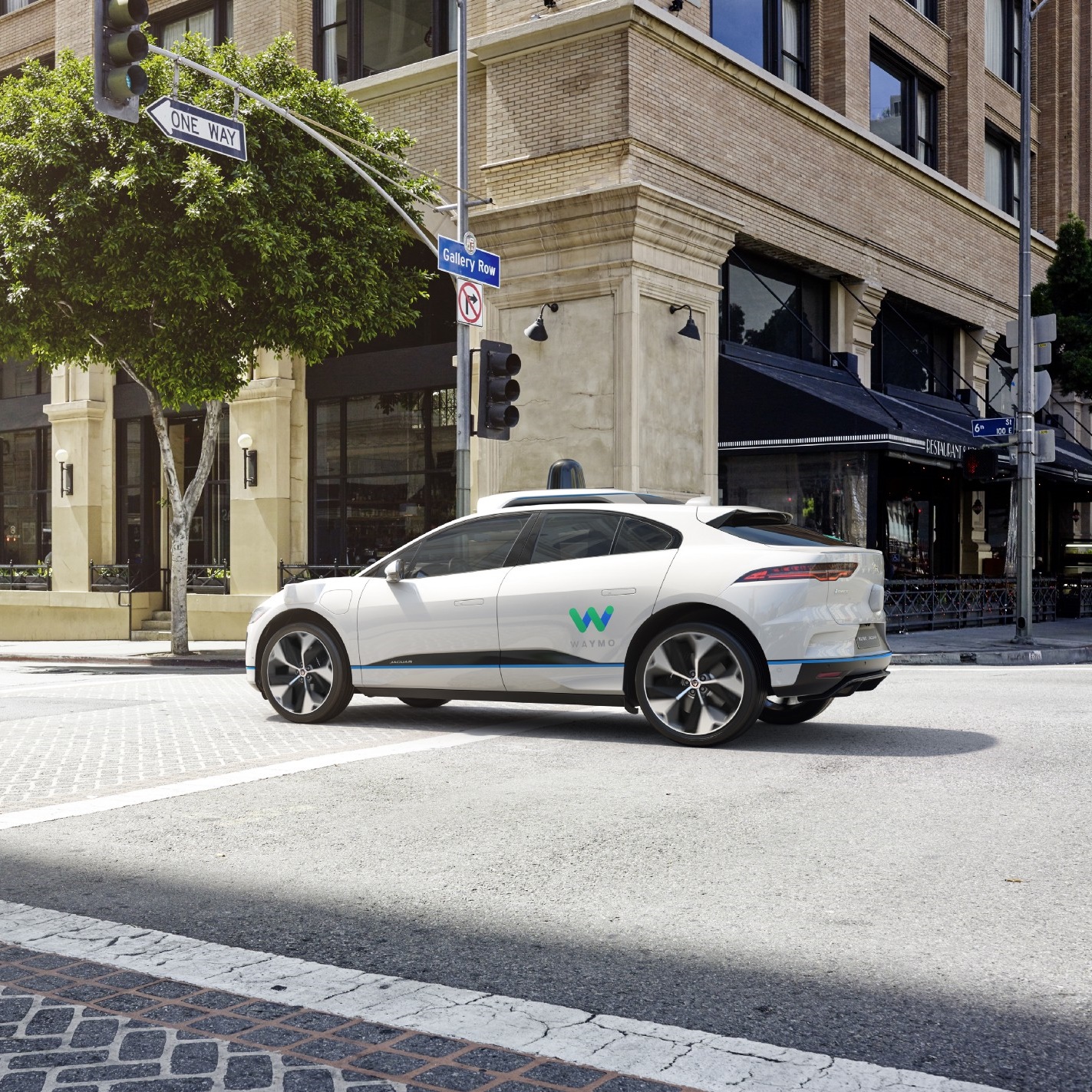
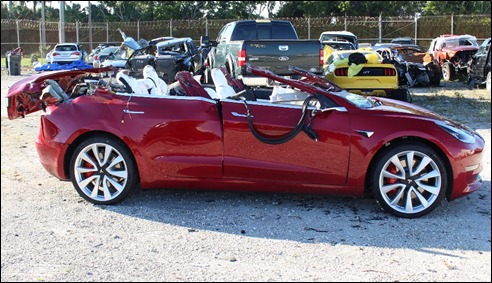
Barra’s announcement comes as two U.S. senators are urging NHTSA to review Tesla’s self-published Full Self-Driving crash statistics and European regulators accuse Tesla of “misleading data” on FSD safety. Tesla’s robotaxi fleet in Texas sits at 69 vehicles versus Waymo’s 620. GM is positioning its AI-written, simulation-validated approach as the disciplined alternative, though a single high-profile failure of machine-generated safety code would carry significant reputational risk.
The market has rewarded the pitch. GM shares are up 66% over the past year and 9% in the past month, trading at $80.04 against an analyst target of $94.81 and a forward P/E of 7. The 2028 Escalade IQ launch is the verdict event. Until then, Barra’s question remains open: when 90% of safety-critical autonomy code is machine-written, what is the right confidence threshold?


Contact [email protected] for any questions or corrections.






 Top Gaining Stocks
 Top Losing Stocks