CVS Tumbles 12% on Plan to Split Into Two Companies Despite Earnings Beat; Elevance Health Rises 4%, Cigna Climbs 3%
CVS just reported a strong quarter and raised its outlook, then watched its stock crater anyway after revealing a plan to dismantle the integrated empire it spent two decades and billions of dollars building.

This post may contain links from our sponsors and affiliates, and Flywheel Publishing may receive compensation for actions taken through them.
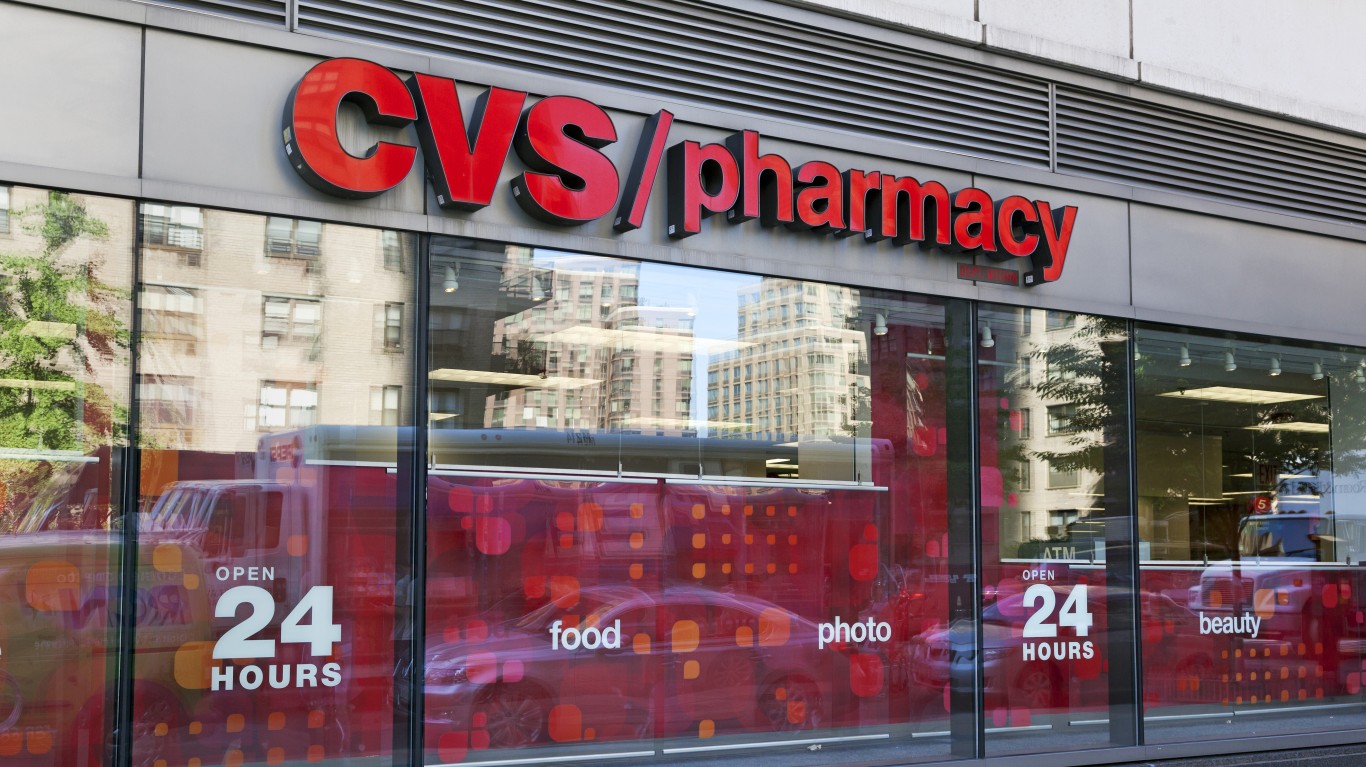
Wall Street is punishing CVS Health (NYSE:CVS | CVS Price Prediction) for a plan to break up the pharmacy, benefits and insurance empire it spent years building, even after a strong quarter. CVS stock is at $80.11, down 12%, as the morning session unfolds. That empire took shape through the Caremark merger in 2007 and the Aetna acquisition in 2018, and CNN reported that CVS paid $69 billion for Aetna.
Health insurers are moving higher. Elevance Health (NYSE:ELV) stock is at $428.78, up 4%. Meanwhile, Cigna (NYSE:CI) stock is at $303.44, up 3%. At the same time, UnitedHealth Group (NYSE:UNH) stock is at $405.89, up 0.4%.
How CVS Plans to Split Into Two Companies
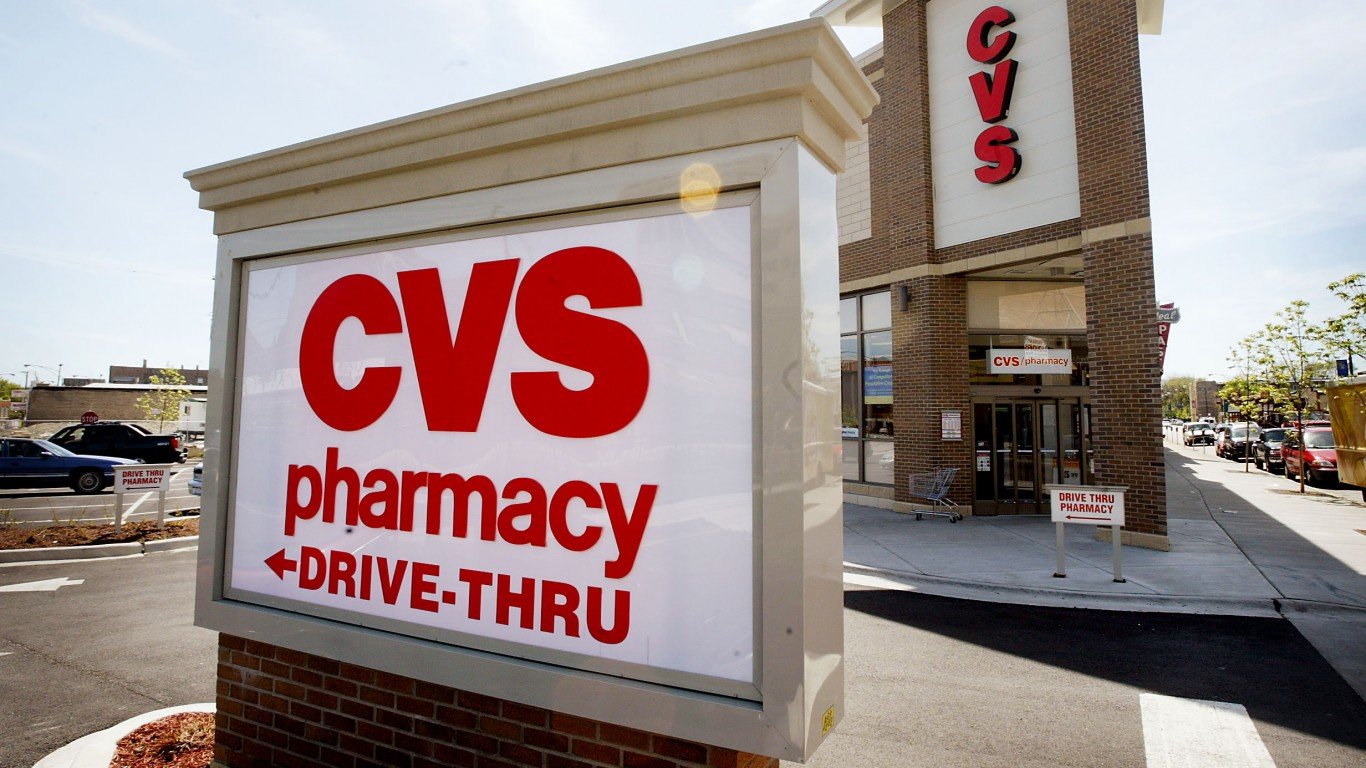
CVS announced on November 4 that it intends to separate into two independent, publicly traded companies. One company keeps the CVS Health name and holds Aetna, CVS Caremark, CVS Specialty, Oak Street Health and Signify Health, while the other, CVS Pharmacy, takes approximately 9,000 retail pharmacies plus MinuteClinic.
Shareholders would receive stock in both companies through a transaction CVS expects to be tax-free and completed in the first half of 2028. CEO David Joyner was clear with CNN. He put the company’s stance in simple terms: “We’re basically taking what I believe is one great company and making it two.” Joyner would lead the new CVS Health, and Group President Prem Shah is set to become CEO of CVS Pharmacy.
CVS Beat Estimates and Raised Its Outlook Before the Selloff
Strong numbers didn’t protect CVS. In results reported under the CVS Health banner, Q3 2026 revenue rose to $108.4 billion from $102.9 billion, while adjusted earnings per share (EPS) climbed to $2.09 from $1.60, beating the $1.65 consensus estimate. The raised full-year 2026 adjusted EPS outlook in the CVS Health release now calls for at least $8.20, up from a prior range of $7.90 to $8.10.

Politics adds another layer to the CVS story. Moby, in a piece on Yahoo Finance, noted that the breakup leaked to the Financial Times on Election Day and was announced the morning after Democrats won both chambers of Congress. That same piece pointed out that pharmacy benefit managers (PBMs) owning pharmacies has drawn bipartisan scrutiny, that Congress passed PBM reforms in February and that states are moving to restrict PBMs from owning pharmacies.
Elevance Health and Cigna Climb as CVS Slides
Elevance Health and Cigna don’t face the breakup uncertainty now hanging over CVS, and their gains may reflect a relative value trade within managed care, while UnitedHealth, the company whose model CVS most closely mirrors, is barely moving by comparison.
This quiet reaction at UnitedHealth may suggest the market isn’t reading the CVS split as a verdict on integrated insurers broadly.
CVS Stands Alone With Its Drugstore Chain
CVS is the only one of the four that combines a national retail pharmacy chain, a pharmacy benefit manager in Caremark and a health insurer in Aetna under one roof. A Blue Cross Blue Shield license anchors the health benefits business at Elevance Health, which pairs it with its Carelon services arm and CarelonRx pharmacy unit but owns no stores. Cigna leans on Evernorth, its pharmacy benefit and specialty pharmacy engine, alongside an employer-focused Cigna Healthcare business.
UnitedHealth comes closest, combining UnitedHealthcare insurance with Optum’s care delivery, analytics and Optum Rx businesses, though it doesn’t run a drugstore chain either. Under the breakup, core businesses stay together. CVS would keep its insurer, PBM and specialty pharmacy, leaving the new CVS Health closer in shape to UnitedHealth and CVS Pharmacy standing as a retail pharmacy and community health company.
Can CVS Prove Its Breakup Is Worth the Wait Until 2028?
Investors may be selling for reasons that have little to do with the quarter, as a long road to completion leaves CVS exposed to execution risk, and costs from separating the pharmacy away from Caremark could weigh on both companies. Chief Financial Officer Brian Newman said the run-rate and one-time costs are “certainly manageable and in line with other transactions of this type.”
The bulls point to Joyner’s claim that CVS is acting “from a position of strength,” backed by the raised outlook and improving Aetna margins. Bears worry that two separate companies could lose some of the cost advantages that came from running pharmacy, PBM and insurance together. The next test for CVS is whether commercial agreements between Caremark and CVS Pharmacy can preserve the value the two businesses built together. A cautious approach could mean waiting for more clarity as the CVS separation plan resolves.
Contact [email protected] for any questions or corrections.
David Moadel is financial writer specializing in stocks, ETFs, options, precious metals, and Bitcoin. David has written well over 1,000 articles for leading online publications, helping investors understand markets, income strategies, and risk.His work has appeared in The Motley Fool, InvestorPlace, U.S. News & World Report, TipRanks, ValueWalk, Benzinga, Market Realist, TalkMarkets, Finmasters, 24/7 Wall St., and others.With a master’s degree in education, David has taught at the elementary, high school, and college levels. That teaching background shapes his writing style: clear, educational, and practical. David has also built a loyal social-media audience by providing trustworthy financial content on YouTube, X/Twitter, and StockTwits.